Fake Politician Endorsements: How Deepfake Video Scams Trap Investors in Fake AI Trading Platforms
Fake politician endorsements and deepfake videos are being used to lure investors into fraudulent AI trading platforms. Learn how these scams work, how to verify a trading platform, recognize fake profits and withdrawal traps, preserve evidence, and respond quickly if you already sent money.

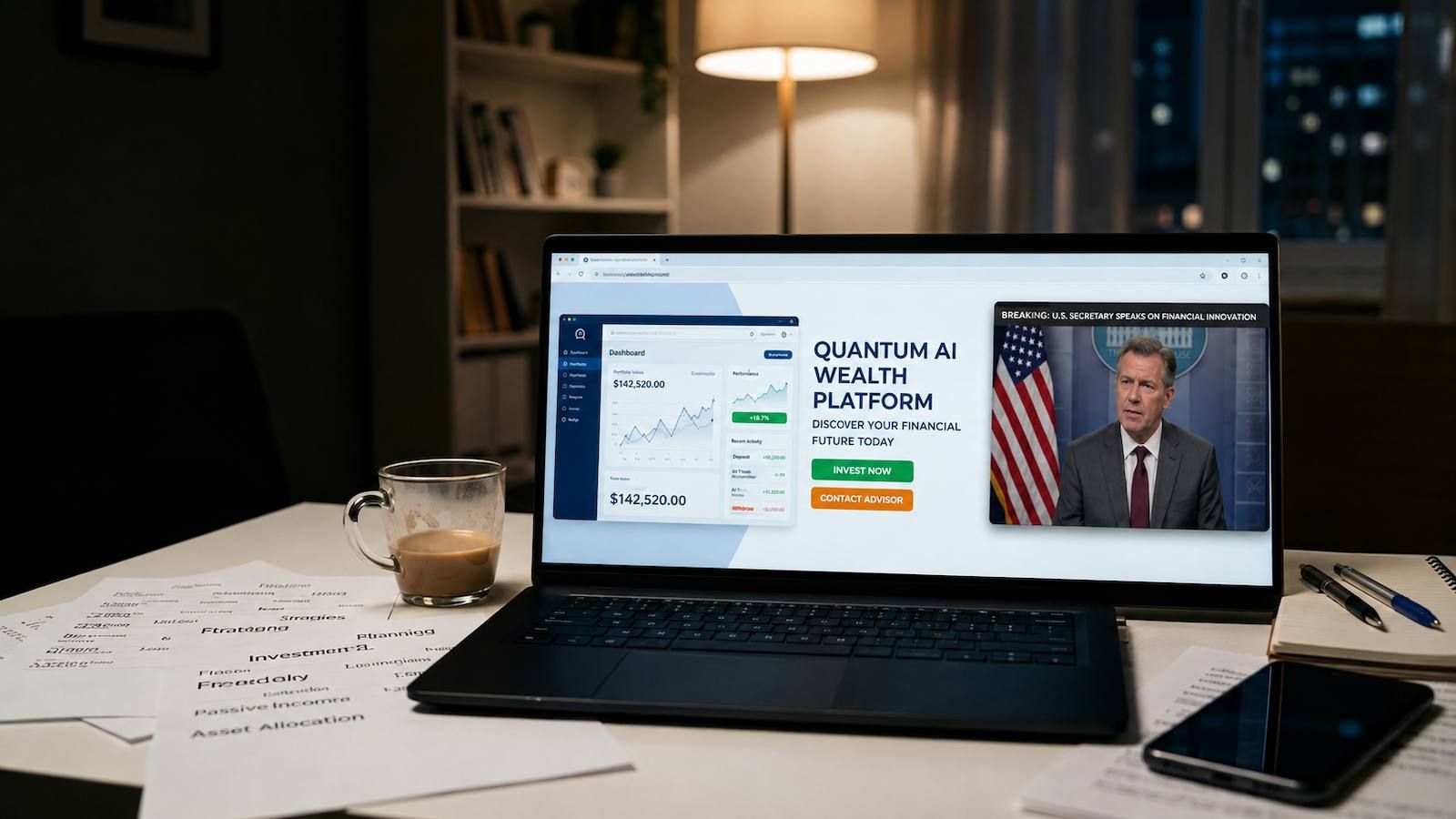
A politician’s face on a video is not proof. A famous CEO’s voice is not proof. A glossy “news” article claiming some trading bot is minting ordinary people into millionaires is definitely not proof. It is often the bait wrapper around a fake trading platform, and the hook is your deposit.
A deepfake video scam uses AI-generated or manipulated video, audio, images, and fake news pages to make it look like a politician, business leader, celebrity, journalist, or regulator is endorsing an investment platform. The real test is not whether the video “looks real.” The real test is whether the platform is licensed, whether the claim can be verified from official sources, and whether the money trail makes sense.
If you saw a politician or business leader promoting an AI trading program on Facebook, Instagram, YouTube, TikTok, or a fake news site, assume it is suspicious until proven otherwise. Do not deposit. Do not “activate” the account. Do not let a friendly account manager walk you into the financial blender.
TL;DR
- A deepfake video scam uses AI-generated video, fake news articles, and impersonated public figures to push victims into fraudulent trading platforms.
- The biggest operational risk is not the video itself. It is the fake investment portal behind it, where deposits appear to grow until withdrawals suddenly become a hostage negotiation.
- In the next fifteen minutes, save the ad, video, website URL, account manager messages, wallet addresses, bank details, and payment receipts before the scam page disappears like a cockroach under kitchen lights.
- New Zealand readers should check the Financial Markets Authority, Australian readers should check ASIC, and global readers should use their local financial regulator before trusting any trading platform.
- Recovery is not guaranteed. Your best weapon is speed, evidence, and refusing to send “tax,” “verification,” “unlock,” or “recovery” fees.
What Is a Fake Politician Deepfake Investment Scam?
A fake politician deepfake investment scam is an impersonation fraud where criminals use AI-generated or manipulated media to pretend a trusted public figure is endorsing a trading platform, crypto program, forex bot, AI investment club, or automated wealth-building software.
The scam usually combines three pieces of garbage engineering:
- A fake video or edited clip showing a politician, CEO, journalist, celebrity, or business leader appearing to recommend the scheme.
- A fake news article designed to look like a legitimate media report about a secret trading platform or interview.
- A fake trading website where victims deposit money, watch fake profits grow, and then get blocked from withdrawing.
The Financial Markets Authority of New Zealand has warned about scammers impersonating politicians and business leaders through fake news articles, deepfake videos, and images to promote fraudulent investment platforms. Its warning was first published in August 2024 and updated in June 2026, with related 2026 media warnings about fake news articles pushing consumers toward fake trading platforms.
The FBI’s 2025 Internet Crime Report also recorded 22,364 complaints involving artificial intelligence, with losses of nearly $893 million. In investment scams with a reported AI connection, losses surpassed $632 million. The FBI noted that investment clubs use AI-generated videos and voices of celebrities, CEOs, and trusted figures to create fake high-stakes opportunities.
That is the scammer’s little magic trick: borrow someone else’s credibility, staple it to a fake platform, and call theft “an opportunity.”
For broader context on how AI-manipulated media is being used across fake investment campaigns, Dollar Vigil’s verified guide on how to spot and report deepfake investment scams in 2026 breaks down the reporting path and warning signs in more detail.
How The Scam Works
This scam is built like a funnel, not a random ad.
Step 1: The Victim Sees A Convincing Endorsement
The reader sees a video claiming a known politician, business leader, journalist, or celebrity has revealed a trading system. The video may appear in a social media ad, sponsored post, WhatsApp message, Telegram group, YouTube clip, or fake article.
The face looks familiar. The voice sounds close enough. The captions scream urgency.
The scam does not need to be perfect. It only needs to look credible for long enough to get a click.
Step 2: The Click Opens A Fake News Page
The link often leads to a fake news article pretending to be from a trusted media outlet. It may claim a politician “accidentally revealed” a wealth system during an interview, or that a famous business leader became rich through an automated AI trading bot.
This is where the scam puts on a cheap suit and pretends to be journalism.
Look for these signs:
- The website URL does not match the real news organization.
- The article has fake comments praising huge profits.
- The page claims banks, governments, or “elites” are trying to hide the platform.
- The story says registration is almost closed.
- The article uses stolen logos, copied layouts, and fake author names.
- The article links only to one investment platform.
Real journalism does not usually end every paragraph with “deposit now before the secret closes.” That is not reporting. That is a mugging with a newsletter template.
Step 3: The Fake Trading Platform Shows Fake Profits
After the reader enters a name, phone number, or email address, an “account manager” calls. The person may sound professional, patient, and oddly obsessed with getting the first deposit today.
Then the fake portal begins the theater:
- The dashboard shows quick gains.
- Small deposits appear to grow.
- The “advisor” encourages larger transfers.
- The victim may be allowed one small withdrawal to build trust.
- Then larger withdrawals are blocked unless the victim pays extra fees.
The dashboard is usually not a real market account. It is a confidence machine. The numbers are pixels wearing a finance costume.
Step 4: Withdrawals Become The Second Scam
When the victim tries to withdraw, the excuses begin.
Common withdrawal blockers include:
- “Tax clearance fee”
- “Anti-money laundering verification”
- “Account upgrade”
- “Liquidity release”
- “Blockchain gas fee”
- “International transfer charge”
- “Profit unlock”
- “Insurance deposit”
This is where the scam squeezes the victim again. If a platform demands more money before releasing your own money, treat that as a screaming red flag. Legitimate regulated firms do not usually solve compliance problems by asking victims to throw more cash into the furnace.
How To Spot An AI-Generated Video Scam
The ABA Foundation and FBI deepfake guidance says consumers should look for inconsistencies in AI-generated or manipulated media, including blurry or distorted facial features, unnatural blinking, strange hair or teeth, out-of-sync audio and video, flat or unnatural voice tone, and odd shadows or lighting.
Those checks help. But do not overtrust them.
Deepfakes are getting cleaner. Scam ads are getting better. A video can pass the “looks real to me” test and still be fraudulent. The smarter approach is to inspect the entire scam environment.
Use The Video-Plus-Platform Test
| What To Check | What A Scam Often Shows | What A Real Opportunity Should Survive |
|---|---|---|
| Source of the video | Social ad, reposted clip, fake news page, Telegram group | Official account, real interview archive, verifiable media source |
| Public figure claim | “Secret endorsement” or “banned interview” | Clear public statement from the person’s official website or verified channel |
| News article | Copied layout, fake comments, urgent signup button | Real media URL, real author, no forced deposit funnel |
| Platform license | No registration, offshore shell, vague company name | Searchable registration with local regulator |
| Withdrawal process | Fees demanded before release | Clear account terms and regulated complaint route |
| Pressure tactics | “Only 100 spots left” nonsense | No coercive deadline or secret access pitch |
The video is not the final evidence. The platform is.
Why Real-Time Fraud Detection May Not Save You
Real-time transaction risk systems can flag suspicious payments, device changes, unusual transfer behavior, and high-risk destinations. But they are not magic shields. They do not watch the fake politician video with you, read the fake news article, and slap the phone out of your hand before the deposit.
Dollar Vigil’s verified article on real-time transaction risk scoring in 2026 explains how fraud systems score transactions under pressure. That matters here because deepfake investment scams often manipulate the victim into authorizing the payment themselves. To a bank system, that may look very different from an account takeover where a criminal breaks in and sends money without permission.
That distinction matters. An authorized scam payment can be harder to unwind than an unauthorized transaction. It does not mean you have no options. It means your evidence file needs to show manipulation, false claims, pressure tactics, fake platform behavior, and what happened when you tried to withdraw.
How To Verify A Trading Platform Before Sending Money
If a platform claims to be legitimate, make it prove itself in boring official databases. Scammers hate boring official databases. Too many facts. Not enough smoke machine.
New Zealand: Check The FMA
New Zealand investors should check the Financial Markets Authority warnings and registers before dealing with any online trading platform. The FMA has specifically warned about fake news articles, deepfake videos, and images impersonating politicians and business leaders to promote fraudulent investment platforms.
Use the FMA’s official website, not a link supplied by the “advisor.” Search the platform name, company name, trading name, domain, and any claimed license number.
Also check whether the firm is allowed to offer the specific product being promoted. A random company registration does not automatically mean the platform is authorized to provide investment services.
Australia: Check ASIC
Australian readers should check ASIC’s professional registers and investor alerts before sending money to a broker, crypto platform, forex service, CFD provider, or managed investment scheme.
Search for:
- Company name
- Australian Financial Services Licence number
- Representative name
- Website domain
- Phone number
- Email address
If the platform claims to be connected to a real licensed firm, contact the firm through details found on the official register, not details supplied by the investment promoter. Scam clones love borrowing legitimate names because apparently stealing a reputation is cheaper than earning one.
Global Readers: Check The Local Regulator
If you are outside New Zealand or Australia, check the financial regulator in your country. Search official warning lists and licensing registers. Also compare the platform’s domain, legal name, address, and contact details.
Do not accept screenshots of licenses. Do not accept PDFs sent by WhatsApp. Do not accept “our compliance department is processing your verification” as evidence. Scammers can forge documents faster than some institutions answer support tickets.
Red Flags That The Trading Platform Is Fake
A fake news trading platform scam usually shows several warning signs at once.
Watch for:
- A politician, CEO, celebrity, or journalist supposedly endorsing a secret AI trading platform.
- The promotion appears through a paid social media ad, not an official statement.
- The article claims ordinary people are making huge daily profits with little risk.
- The platform asks for a small starter deposit, then pushes larger deposits.
- The “advisor” wants remote access to your phone or computer.
- The platform accepts crypto, bank transfer, wire transfer, card payment, or payment apps but has vague company details.
- The website shows profits quickly, but withdrawals are blocked.
- The platform demands fees before releasing funds.
- The person contacting you discourages regulator checks.
- The domain was recently created or does not match the claimed company.
- The “support team” becomes aggressive when you hesitate.
- A second person later contacts you claiming to recover the lost money for an upfront fee.
That last one matters. Fake recovery operators circle these scams like vultures with payment links. They may claim they can hack the platform, trace the wallet, freeze the account, or work with regulators. If they want upfront money to recover scam losses, put them in the same mental dumpster as the original thief.
What To Do In The First Fifteen Minutes
If you have not deposited money, stop. Close the page. Save the evidence. Verify the platform through official regulator sites before doing anything else.
If you already sent money, move fast.
- Stop all contact with the platform. Do not argue. Do not threaten. Do not announce your investigation. You are preserving evidence, not auditioning for a courtroom drama.
- Do not pay withdrawal, tax, or unlock fees. More payment rarely fixes the problem. It usually feeds the machine.
- Save evidence immediately. Capture the ad, video, fake article URL, platform URL, account dashboard, messages, emails, phone numbers, payment receipts, wallet addresses, bank details, and names used.
- Contact your bank or payment provider. Explain the payment type, amount, date, recipient, and fraud concern. Ask what recall, dispute, chargeback, or fraud-reporting options exist for that payment rail.
- Report to the relevant regulator. In New Zealand, use the FMA. In Australia, use ASIC and ReportCyber where relevant. In the United States, IC3 is the FBI’s reporting hub for cyber-enabled crime.
- Warn the impersonated person or organization if practical. Public figures and companies may already know, but reports help platforms and regulators map the campaign.
- Secure your accounts. If you gave remote access, identification documents, passwords, or wallet access, treat it as an identity and account-security incident, not just an investment loss.
Speed matters because payment recalls, card disputes, bank investigations, and crypto tracing all become harder as time passes. That does not mean recovery is guaranteed. It means delay is the scammer’s favorite accomplice.
If the scam moved through a mobile payment app or fast transfer, Dollar Vigil’s verified guide to mobile payment scam trends and loss prevention in 2026 explains why speed, pressure, and app-based authorization make these losses so ugly to unwind.
What Evidence Matters Most
Do not send a bank or regulator a messy emotional paragraph and three blurry screenshots. Build the file like someone serious is going to read it.
| Evidence | Why It Matters |
|---|---|
| Original ad or video screenshot | Shows the deepfake endorsement and the route into the scam |
| Fake news article URL | Connects the impersonation to the platform funnel |
| Platform domain and account ID | Identifies the website and fake trading account |
| Payment receipts | Shows amount, date, recipient, payment method, and destination |
| Bank or wallet details | Helps trace the money path where possible |
| Chat logs and call records | Shows pressure tactics, false claims, and withdrawal excuses |
| Withdrawal refusal screenshots | Shows the platform blocking access to funds |
| Fee demands | Supports the argument that the platform is extracting additional scam payments |
| Regulator search results | Shows whether the platform appears licensed, warned against, or unregistered |
Evidence beats outrage. Outrage may be justified. Evidence moves complaints.
Can You Get Your Money Back?
You may have options, but there is no honest guarantee.
Recovery depends on:
- Country
- Payment method
- Timing
- Recipient account location
- Whether the transaction was authorized
- Whether a card chargeback route exists
- Whether a bank transfer recall is possible
- Whether crypto was used
- Whether funds remain in reachable accounts
- Whether the institution handled the report properly
- Quality of evidence
Card payments may have dispute or chargeback routes depending on scheme rules and facts. Bank transfers and wires may have recall or complaint routes, but speed matters and success is uncertain. Crypto transfers are especially difficult because blockchain transactions are usually irreversible and scammers move funds quickly.
If a bank rejects your claim, that does not automatically mean the bank is wrong. It also does not automatically mean the denial is the final word. Some denials are valid. Some are lazy. Your job is to build the file well enough to tell the difference and escalate through the proper complaint route in your jurisdiction.
FAQ
Is a video of a politician endorsing a trading platform proof that it is legitimate?
No. A video can be fake, edited, taken out of context, or posted by scammers. Verify the claim through the public figure’s official channels and check the trading platform with the relevant financial regulator before sending money.
How can I check if a video of a politician is a deepfake?
Look for blurred facial features, unnatural blinking, strange teeth or hair, audio that does not match the mouth, flat voice tone, and odd lighting or shadows. Then go further: search for the original interview, check official accounts, and verify whether any legitimate news outlet reported the endorsement.
Are fake AI trading platforms regulated?
Many scam platforms are not regulated at all. Some clone the names or license details of real firms. Always check the official regulator database and contact the legitimate firm using contact details from the regulator, not from the suspicious website.
What if the platform shows profits in my account?
A fake dashboard can show anything. Profit numbers on a scam portal are not proof of real trading. The real test is whether you can withdraw through normal procedures without surprise fees, threats, or excuses.
Should I pay the tax or unlock fee to withdraw my money?
Usually, no. Demands for upfront “tax,” “verification,” “release,” or “unlock” fees are common in investment scams. Paying often leads to more demands, not recovery.
Should I report the scam even if I feel embarrassed?
Yes. Report it. Shame belongs to the criminals who built the trap, not the person who was targeted by professional manipulation. Reports help banks, regulators, and law enforcement identify patterns, domains, accounts, and repeat infrastructure.
Are recovery companies safe to use?
Be extremely careful. Many fake recovery services target people who have already been scammed. Be suspicious of anyone promising guaranteed recovery, claiming secret access to blockchain tools, asking for upfront fees, or contacting you out of nowhere after the scam.
Disclaimer
This article is for general educational information only and is not legal, financial, or professional advice. Scam refund rules vary by country, payment method, bank policy, evidence, timing, and case details. If you need advice about your specific situation, contact a qualified legal, financial, or consumer-rights professional in your jurisdiction.
Cold Truth
A deepfake politician does not need to fool the whole country. It only needs to fool one scared, curious, hopeful person long enough to get a deposit.
So slow the whole thing down. Verify the platform. Check the regulator. Save the evidence. Refuse the fees. Treat every miracle trading bot promoted by a stolen face as guilty until the official records drag it into the light.
Because if a “secret AI platform” really needed a fake politician, a fake article, fake profits, and a fake withdrawal fee to prove it was real, the investment opportunity is not hidden. It is dead on arrival, wearing a scammer’s cheap little necktie.
And the scammer’s “AI trading genius” deserves a final audit finding: congratulations, clown, you built a fake Wall Street with a stolen face, a stock-photo suit, and the credibility of a raccoon selling pension advice behind a gas station.